
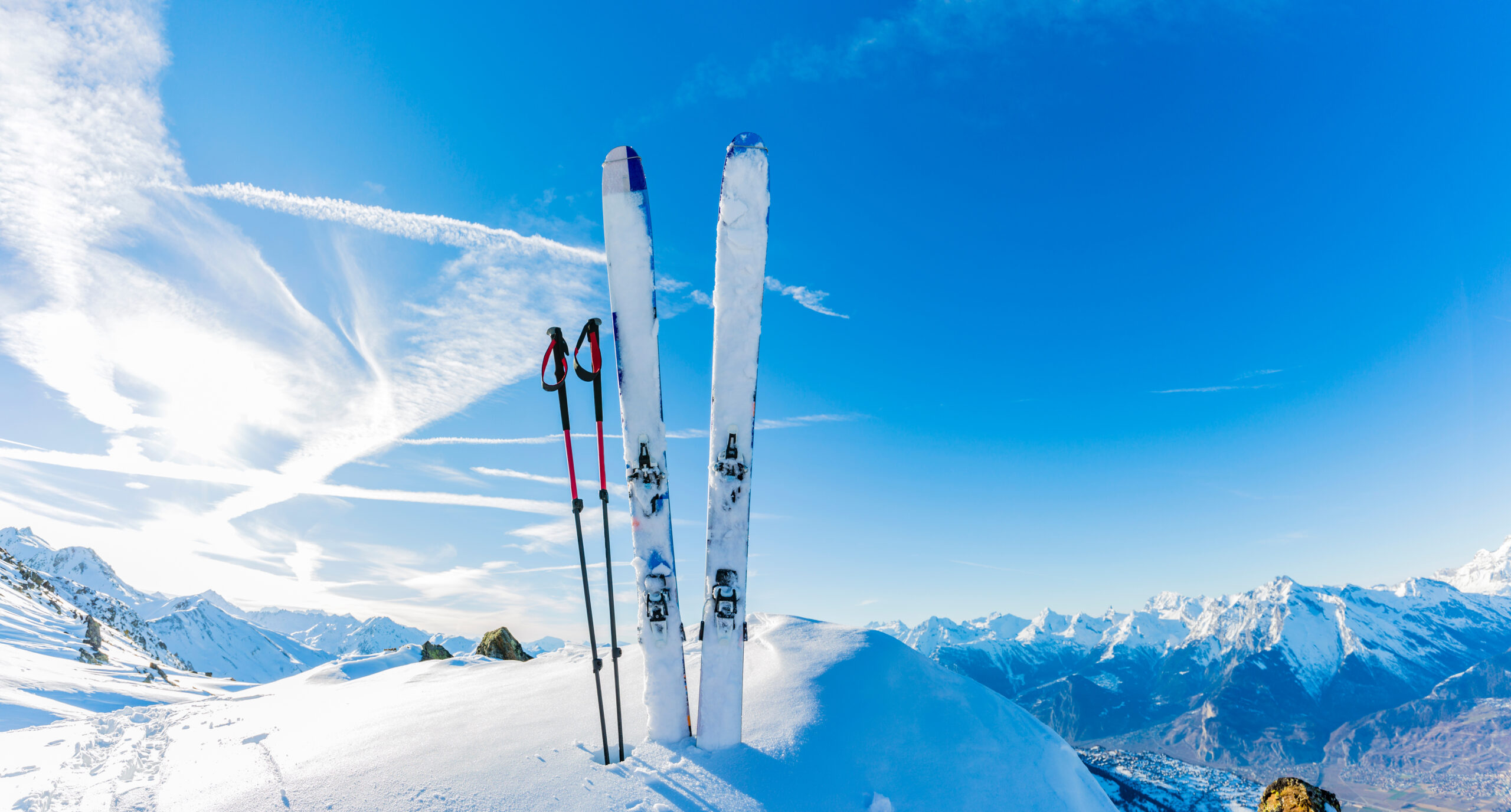

Planning a ski or snowboarding holiday this winter? If you’re looking to improve your ski fitness in Sydney, proper preparation before you hit the slopes can help reduce injury risk and improve your enjoyment on the mountain.
Whether you’re heading to Perisher, Thredbo, Falls Creek, New Zealand, Japan, Canada or the European Alps, the last thing you want is to spend your holiday injured.
Every winter, thousands of recreational skiers and snowboarders sustain preventable injuries. Most occur during the first few days on the slopes when enthusiasm exceeds preparation.
The good news is that many snow sport injuries are predictable and preventable.
With the right Physiotherapy assessment, Exercise Physiology programme and pre-season preparation, you can significantly reduce your injury risk while improving your performance and enjoyment on the mountain.
At Turramurra Sports & Spinal Physiotherapy, our Physiotherapists and Exercise Physiologists regularly help clients prepare for the snow season using targeted strength, balance and conditioning programmes.
Why Once-a-Year Skiers Are More Likely to Get Injured
If you only ski or snowboard once each year, you are at greater risk of injury than regular participants.
This isn’t necessarily because of skill level.
It is usually because the body is not conditioned for the unique physical demands of snow sports.
Skiing and snowboarding require:
- Leg endurance
- Dynamic balance
- Core strength
- Fast reactions
- Cardiovascular fitness
- The ability to absorb repeated forces through the knees, hips and spine
Research consistently shows that fatigue is one of the biggest contributors to skiing injuries. Many injuries occur late morning and late afternoon when concentration and muscle control begin to decline.
The Most Common Skiing and Snowboarding Injuries
Common Skiing Injuries
- ACL injuries
- MCL injuries
- Meniscus injuries
- Shoulder dislocations
- Thumb ligament injuries
- Fractures
- Concussion
Common Snowboarding Injuries
- Wrist fractures
- Shoulder injuries
- Collarbone fractures
- Ankle injuries
- Concussion
For snowboarders, wrist fractures are among the most common injuries because people instinctively use their hands to break a fall.
Quality wrist guards can significantly reduce this risk and should be considered essential equipment.
Four Weeks of Preparation Can Make a Huge Difference
According to the Australian Institute of Sport, preparation and conditioning play an important role in reducing injury risk and improving performance.
Ideally, preparation should begin four to six weeks before your trip.
This allows your body time to improve strength, endurance, balance and fitness while minimising the risk of overtraining.
Build Ski-Specific Strength
Focus on:
- Wall sits
- Lunges
- Split squats
- Step-ups
- Single-leg squats
Wall sits are particularly effective because they closely mimic the sustained quadriceps demands experienced during skiing.
Improve Balance and Stability
Balance training helps reduce falls and improves your ability to respond to unexpected terrain.
Simple options include:
- Single-leg standing
- Eyes-closed balance drills
- Balance cushions
- Wobble boards
Improve Cardiovascular Fitness
Aim for:
- 30 minutes
- Four times per week
Activities such as cycling, swimming, brisk walking, rowing and running are all excellent options.
How Physiotherapy Can Help Before a Ski Trip
Many skiing injuries occur because of pre-existing weaknesses, movement restrictions or previous injuries.
A Physiotherapy assessment can identify:
- Previous injury risks
- Joint restrictions
- Muscle imbalances
- Balance deficits
- Poor movement patterns
- Areas of weakness that may increase injury risk
For people with a history of knee pain, ACL injuries, ankle sprains, back pain or shoulder injuries, addressing these issues before travelling can significantly reduce the likelihood of problems on the slopes.
Physiotherapy may include:
- Manual therapy
- Mobility work
- Strength assessment
- Movement screening
- Individualised exercise prescription
- Injury prevention advice
How Exercise Physiology Can Help Before a Ski Trip
Exercise Physiology focuses on building the physical capacity needed to perform on the mountain.
Our Exercise Physiologists can design personalised ski conditioning programmes to improve:
- Leg strength
- Muscular endurance
- Balance
- Core stability
- Cardiovascular fitness
- Fatigue resistance
Many clients notice they not only reduce their injury risk but also enjoy longer days skiing with less soreness and faster recovery between sessions.
Our Exercise Physiologists can develop a personalised ski fitness Sydney programme designed to improve strength, endurance and balance before your next snow holiday.
Train in Our Onsite Gym
One of the advantages of Turramurra Sports & Spinal Physiotherapy is our onsite rehabilitation and performance gym.
Our Physiotherapists and Exercise Physiologists work together to provide ski-specific training programmes that closely replicate the physical demands of skiing and snowboarding.
Programmes may include:
- Wall sits
- Single-leg strengthening
- Lunges and split squats
- Balance training
- Cardiovascular intervals
- Ski endurance circuits
This allows us to bridge the gap between rehabilitation, injury prevention and performance.
Tips for Staying Safe on the Mountain
Take Day One Easy
Many injuries occur on the first day.
Warm up gradually and avoid pushing too hard too soon.
Take Regular Breaks
When fatigue increases, injury risk increases.
Stop for lunch.
Hydrate regularly.
Listen to your body.
Check Your Equipment
Poorly adjusted bindings contribute to many knee injuries.
Ensure your equipment is professionally checked.
Wear Wrist Guards
If you’re snowboarding, wrist guards are strongly recommended.
Know When to Stop
Normal muscle fatigue is expected.
However, stop skiing or snowboarding if you experience:
- Sharp pain
- Joint instability
- Significant swelling
- Loss of strength
- Altered movement patterns
Ignoring these warning signs can turn a minor issue into a holiday-ending injury.
Frequently Asked Questions
How long before a ski trip should I start training?
Ideally four to six weeks before departure.
What exercises are best for ski fitness?
Wall sits, lunges, split squats, balance exercises and cardiovascular training are excellent choices.
Should I see a Physiotherapist before skiing?
A Physiotherapist can identify injury risks and help address mobility or strength deficits before you travel.
Can Exercise Physiology help prevent skiing injuries?
Yes. Improving strength, endurance, balance and fatigue resistance can significantly reduce injury risk.
Why do so many skiing injuries happen on the first day?
Most people overestimate their readiness and underestimate the physical demands of skiing after months away from the slopes.
What is the most common snowboarding injury?
Wrist fractures remain one of the most common snowboarding injuries.
Should I wear wrist guards while snowboarding?
Yes. Wrist guards can significantly reduce the risk of wrist fractures.
Where can I get a ski fitness assessment in Sydney?
Turramurra Sports & Spinal Physiotherapy provides Physiotherapy and Exercise Physiology ski fitness assessments and personalised snow sport conditioning programmes for clients across Turramurra, Wahroonga, Pymble, St Ives, Gordon, Hornsby and Sydney’s Upper North Shore.
Ready for the Snow?
A few weeks of targeted preparation can make a significant difference to your confidence, enjoyment and injury risk.
Whether you’re planning a family snow holiday or an intensive ski adventure, our Physiotherapists and Exercise Physiologists can help you prepare with a personalised ski fitness and injury prevention programme.
Call 9144 1510 to arrange your pre-season assessment.
Turramurra Sports & Spinal Physiotherapy
9144 1510
info@turramurraphysiotherapy.com.au
www.turramurraphysiotherapy.com.au
Author Paul McLoughlin


