


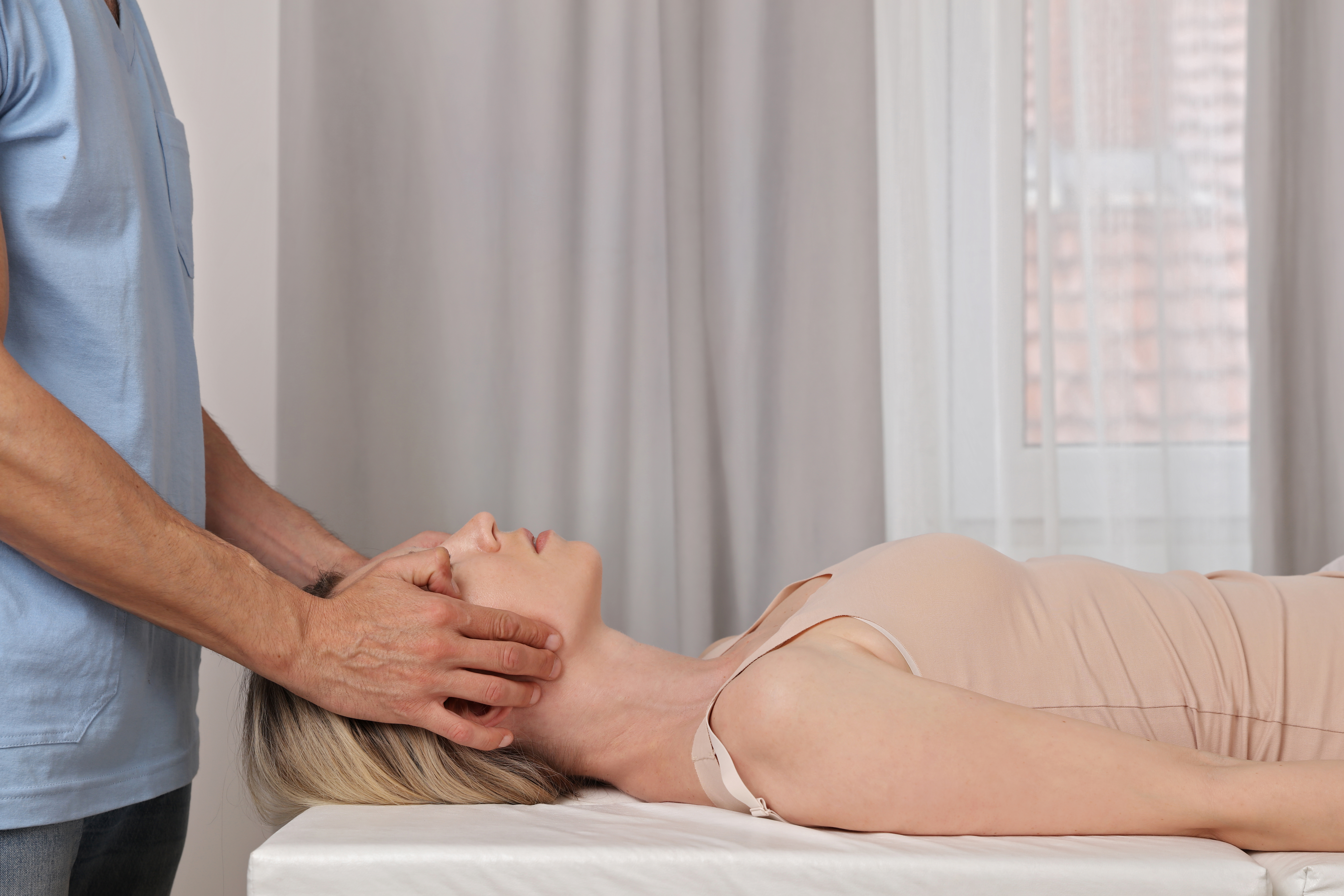
 Jaw pain, clicking, headaches and difficulty opening your mouth can be distressing and disruptive. TMJ (temporomandibular joint) problems commonly involve both the jaw joint and the muscles that control jaw movement. At Turramurra physiotherapy, we provide tailored assessment and treatment to help restore comfortable jaw function.
At Turramurra Sports & Spinal Physiotherapy, we provide expert assessment and treatment for TMJ-related pain and jaw movement disorders. We focus on reducing irritation, improving jaw control and addressing contributing factors such as muscle tension and neck posture.
Our goal is to restore comfortable jaw function so you can eat, speak and yawn without fear of flare-ups.
Common TMJ Symptoms
Jaw or facial pain, clicking or popping, headaches, jaw fatigue, difficulty opening fully, and episodes of locking are common TMJ-related symptoms.
Symptoms can be influenced by stress, clenching, chewing habits, dental work and neck factors. Because jaw and neck tension can overlap, some people with TMJ symptoms may also experience issues similar to back pain or broader postural discomfort.
How Physiotherapy Helps TMJ
Treatment may include hands-on techniques for jaw and related neck structures, muscle relaxation strategies, movement retraining and a tailored home program.
We also provide practical advice about habits that overload the jaw, for example prolonged gum chewing or frequent clenching, and strategies to reduce flare-ups. Where appropriate, we may also address surrounding movement and loading issues that contribute to pain, similar to how we manage running injuries, knee pain and other musculoskeletal problems.
When to Book an Appointment
Consider booking if jaw pain persists, you have painful clicking, headaches linked to jaw tension, difficulty opening, or episodes of locking. If you have dental concerns, we can also recommend coordinated care with your dentist if appropriate.
Why Choose Our Clinic
- Experienced physiotherapists providing expert musculoskeletal care
- Clear explanation and practical home strategies
- Hands-on care plus exercises to improve control
- Convenient Turramurra location
Book a TMJ Physiotherapy Appointment in Turramurra
Be sure to book an appointment now by calling 02 9144 1510 or by booking online here.
Frequently Asked Questions
What is TMJ dysfunction?
TMJ dysfunction refers to pain or movement problems involving the jaw joint (temporomandibular joint) and the muscles that control jaw movement. Symptoms can include pain, clicking, headaches or restricted opening.
Can physiotherapy help jaw clicking or popping?
Often, yes. Clicking can be linked to muscle tension, movement control or joint mechanics. Physiotherapy aims to reduce irritation, improve movement quality and restore comfortable function.
What causes TMJ pain?
Common contributors include jaw clenching or grinding, stress-related muscle tension, altered jaw movement patterns, prolonged dental work, neck posture factors and joint irritation.
Can TMJ problems cause headaches or neck pain?
Yes. Jaw and neck muscles can refer pain to the head and face. Addressing jaw mechanics and related neck and upper back factors can reduce headache frequency or intensity for some people.
Should I see a dentist or physiotherapist for jaw pain?
It depends on the cause. Dentists are helpful for dental or bite-related issues and splints, while physiotherapists address jaw and neck mechanics and muscle contributions. Many people benefit from a combined approach.
How long does TMJ treatment take?
Some people improve quickly within a few visits, while longer-standing or stress-related problems may take several weeks of treatment plus home exercises.
What can I do at home for TMJ pain?
We commonly recommend jaw relaxation strategies, avoiding excessive chewing, gentle mobility exercises, heat as appropriate, and addressing contributing habits like clenching. Your plan will be personalised. For some patients, broader strength and movement work may also be useful, similar to our osteoporosis exercise program and other structured rehabilitation programs.
Is it normal for the jaw to click without pain?
Clicks can occur without pain and may not require treatment. If clicking is painful, worsening, or associated with locking or restricted opening, an assessment is recommended.
Can TMJ dysfunction resolve without surgery?
Most TMJ issues improve with conservative management such as physiotherapy, habit modification and, when appropriate, dental input. Surgery is rarely required.
Be sure to book an appointment now by calling 02 9144 1510 or by booking online here.
If you are looking for broader musculoskeletal care, visit our main physiotherapy Turramurra page to learn more about how we help with a wide range of conditions.


